
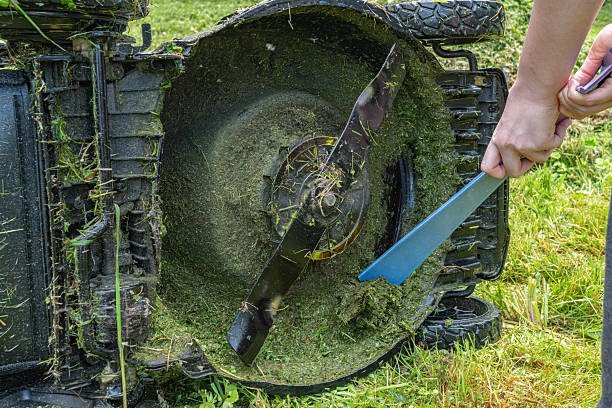
How Often Should Lawn Mower Blades Be Sharpened For A Clean Cut?
A sharp blade cuts grass in one clean pass. A dull blade tears the stems and leaves the lawn pale and ragged. Most lawns need sharpening two or three times each season, or after about 25 hours of mowing. Frequent mowing, sandy soil, and hidden stones shorten this window. A professional lawn mower blade sharpening service restores the edge, balances the blade, and protects the engine.
The Seasonal Sharpening Schedule
A simple calendar keeps the edge keen all year. Most owners can follow three checkpoints.
- Early spring: To begin the season with a clean cut, sharpen prior to the first mow.
- Midsummer: Sharpen again when thick growth and heat wear the edge.
- Early autumn: Sharpen once more before the final cuts and leaf cleanup.
Large lawns or daily mowing call for a fourth visit.
Tire Condition And Cut Height
A sharp blade cannot correct an uneven stance. Low or damaged tires tilt the deck, so one side cuts shorter than the other. Owners who see stripes of different heights should check tire pressure first. Reliable riding lawn mower tire repair corrects punctures, worn tread, and slow leaks, which restores a level deck. Level wheels and a sharp edge then work together for a smooth finish.
Conditions That Wear Edges Faster
Some yards dull blades sooner than others. Knowing the cause helps owners plan each visit.
- Sandy or gritty soil: Fine grit grinds the steel on every pass.
- Frequent mowing: More hours mean faster wear.
- Hidden debris: Stones, roots, and sprinkler heads chip the edge in one strike.
- Thick, wet growth: Heavy stems add drag and blunt the edge sooner.
Owners with these conditions should shorten the gap between visits.
Finding Local Sharpening Help
A search for a lawn mower blade sharpener near me leads to nearby shops, and a local shop saves time and fuel. Local technicians know Iowa grass and soil, so they match the edge angle to the job. Quick turnaround also keeps the mowing schedule on track, while courteous client service makes each visit simple.
Early Warning Signs
The lawn and the mower both signal a dull blade. Early detection of these indicators stops long-term harm.
- Brown tips: Torn stems dry out within a day.
- Shredded clippings: A dull edge rips grass instead of slicing it.
- Extra vibration: A chipped or unbalanced blade shakes the deck.
- Repeat passes: Uncut strips force a second trip over the same area.
- Louder engine: Added drag makes the motor work harder.
Blade Checks Before Buying a Mower
Shoppers who compare used riding lawn mowers in Iowa should inspect the blades first. Deep nicks, bent tips, and heavy rust show rough use. Next, remove the spark plug wire, spin the blade by hand, and look for wobble, which points to a worn spindle. A technician can complete these checks in one visit and give a clear report before the sale closes.
Steps In A Professional Sharpening
Professional sharpening follows a fixed order. Each step protects the blade and the mower.
- Removal and inspection: The technician checks for cracks, bends, and thin metal.
- Grinding: The edge returns to the original cutting angle.
- Balance testing: A precision balancer confirms even weight on both sides.
- Reinstallation: The blade goes back on with the correct tightness.
Benefits Of Expert Edge Work
A trained technician controls angle, balance, and metal removal. A professional lawn mower blade sharpening service delivers cleaner results than home filing, which leaves uneven edges. Better cuts reduce fuel use, protect spindles, and keep grass healthier. The skilled, attentive team also spots a bent blade before it harms the deck.
Safe Home Checks Between Visits
Short checks between visits catch trouble early. First, remove the spark plug wire and wear thick gloves. Next, inspect the edge for chips and curled tips. Then clean grass from the underside of the deck, since packed clippings add drag. Last, confirm the blade bolt is tight. Leave sharpening and balancing to trained hands.
Tire Care Between Seasonal Visits
Tires wear along with blades, so one visit can cover both checks. Test pressure monthly and look for cracks in the sidewall. A technician can patch a small puncture during the same appointment. Prompt riding lawn mower tire repair prevents axle strain and uneven cuts, while smooth, worn tread calls for replacement.
When Replacement Beats Sharpening
Sharpening works only on sound metal. Each grind removes steel, so a blade has a limited life. Replace the blade when it shows these faults:
- Cracks near the center hole or the tip
- A visible bend after a hard strike
- Thin metal along the cutting edge
A new blade costs far less than a repaired deck.
Beating The Seasonal Rush
Spring brings a flood of repair requests. Booking early secures a faster turnaround. Owners who type lawn mower blade sharpener near me into a search bar can compare opening hours, and a short phone call confirms availability. Pickup and delivery also helps owners with heavy riding mowers who cannot load a machine.
Schedule Your Blade Sharpening Visit Today
Regular sharpening keeps grass healthy, saves fuel, and extends the life of every mower. Buyers of used riding lawn mowers in Iowa gain the same benefits by checking blades and tires on day one.
Residents of Washington, Iowa, can call JD Small Engine Repair LLC at (918) 261-5061 or visit 320 W. Madison St. Monday through Saturday, from 8:00 AM to 5:00 PM. The skilled, courteous team provides attentive client service, honest advice, and optional pickup and delivery. Schedule a visit today and bring back a clean, even cut.
FAQs
- How many mowing hours are required before a blade needs to be sharpened?
Most blades stay sharp for about 20 to 25 hours of mowing. Homeowners with large lawns reach that mark by midsummer. Tracking hours on a note inside the garage helps owners schedule service before the cut quality drops.
- Can a blade be sharpened too many times?
Yes. Each grinding removes a thin layer of steel, so a blade wears down over several seasons. A technician measures the remaining metal and recommends replacement once the blade becomes thin, cracked, or bent.
- Should a new blade be sharpened before use?
New blades can arrive with a blunt factory edge. A quick check and light grind before the first mow gives cleaner cuts from day one and prevents extra strain on the engine. Balance testing also confirms smooth spinning.
- Is balancing necessary after sharpening?
Yes. Grinding can remove more metal from one side, and an unbalanced blade shakes the deck. This vibration wears spindles and bearings and leaves uneven stripes on the lawn. Balancing takes a few minutes and protects the mower.
- Should the whole mower or only the blade go to the shop?
Either option works. Bringing the whole mower lets a technician inspect the deck, belts, and spindles during the same visit. A loose blade suits owners who want a fast, simple drop-off.