
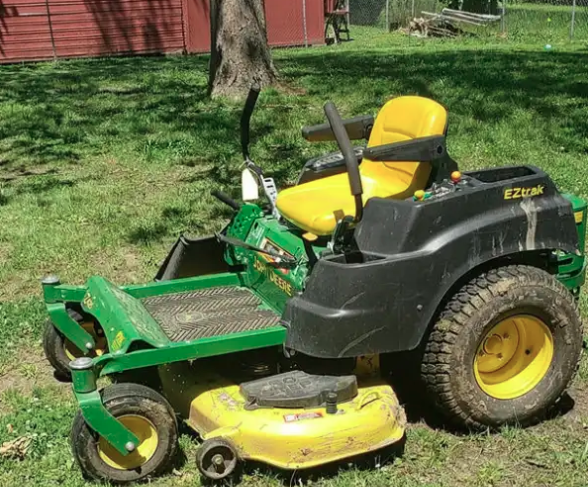
Riding Lawn Mower Repair: Common Problems And When To Call A Repair Shop
A riding mower has more moving parts than a push mower. Each part adds one more thing that can break. Electrical faults, hydraulic trouble, and deck problems can strike at any time. J&D Small Engine Repair LLC helps you spot the difference between a quick fix and a job for a riding lawn mower repair service, saving you time and money.
Electrical Issues That Stop Your Mower Cold
A riding mower needs a working electrical system to start. Ignition, safety switches, and the battery all play a part. When one piece fails, the whole machine refuses to start.
- Dead battery: Corroded terminals or a weak battery charge can prevent the starter from functioning properly.
- Faulty safety switches: Seat sensors and brake switches can block startup by mistake.
- Worn ignition switch: A sticky switch breaks the link to the starter.
- Damaged wiring: Mice and moisture chew through wires under the hood over time.
Deck Problems Beyond The Blade
Most owners check the blade first. But deck trouble can run deeper than a dull edge. The deck itself can shift out of place through normal use.
- Deck Height Misalignment
A deck that sits unevenly cuts one side too short and leaves the other side tall. This uneven pattern shows up fast across open stretches of lawn.
- Bent Or Warped Deck Housing
A hidden rock or root can bend the deck housing. This throws off blade clearance and airflow underneath, leading to rougher cuts and added engine strain.
- Clogged Discharge Chute
Wet grass clippings pack tightly inside the chute. This blocks airflow and leaves clumps across the yard, forcing a second pass to clean up the mess.
Transmission And Drive Trouble
Riding mowers use a gear-driven or hydrostatic transmission to move the wheels. Both types wear down from heavy use on rough ground.
A hydrostatic transmission uses fluid pressure to shift power between forward and reverse. Low fluid or a failing pump causes jerky movement or a full loss of drive. Gear-driven systems wear in a different way. Worn gears grind during speed changes. A riding lawn mower repair shop with the right tools finds fluid leaks and pump failures faster than a simple look under the hood.
Steering And Handling Concerns
Loose steering or a mower that pulls to one side points to wear under the frame. This issue hurts control and raises safety risks on hills.
Worn steering gears create extra play in the wheel. This forces you to correct your line while mowing straight. Uneven tire pressure between the front wheels also makes the mower drift to one side. A bent axle from a curb or a big rock throws off wheel alignment for good. Left alone, these issues strain the frame and wear down tires faster on one side.
Overheating And Cooling System Failures
Engines make heat as they run. A blocked cooling system pushes heat past safe limits fast. Overheating causes real damage if you ignore it for more than one mowing session.
Grass clippings packed around the engine fins block the airflow needed to cool the motor. Low oil raises friction inside the engine, which builds up more heat. Damaged fan blades cut airflow across the engine, even when the fins stay clean. A quick check of these spots each season stops costly engine damage before it starts.
Deciding Between DIY Fixes And Professional Repair
Some tasks fit within most owners’ skill level. Others need special tools and real diagnostic know-how. Knowing the difference keeps your mower safe from more damage.
Cleaning the deck, checking tire pressure, and swapping air filters work fine as DIY jobs. Diagnosing transmission failures, electrical shorts, and worn engine parts calls for gear most garages do not own. JD small engine repair technicians use pressure gauges, multimeters, and lift tools to find the real problem on the first visit. This cuts down on guesswork and wasted parts.
Why Local Repair Knowledge Matters
Technicians who work in Washington, Iowa know how rocky patches and heavy clay soil wear down mower parts. This local know-how leads to sharper diagnosis and honest repair timelines.
J&D Lawn Mower Repair offers hands-on expertise with common mower brands found in local yards. Clear talk about the root cause, paired with honest and attentive client service, gives owners real confidence in each repair plan.
Get Your Riding Mower Back In Top Shape
Riding mower problems rarely fix themselves. Small issues left unchecked tend to grow into big repair bills. J&D Small Engine Repair LLC provides expert diagnostic services, supported by years of practical experience with local equipment. Contact the shop today to book an inspection and keep your mower ready for every job ahead this season.
Frequently Asked Questions
1. How do I know if my riding mower needs a repair shop instead of a DIY fix?
Steady starting issues, a slipping transmission, or strange noises point to a riding lawn mower repair service. These problems need tools that go beyond basic home care.
2. What causes a riding mower to pull to one side while driving?
Uneven tire pressure, worn steering gears, or a bent axle can make a mower drift. A technician can examine each component to identify the exact cause of the issue.
3. Can a clogged discharge chute cause other mower problems?
Yes, a blocked chute cuts airflow and strains the engine over time. Clearing debris often stops clumping and keeps the cutting deck working well all season.
4. How often should hydrostatic transmission fluid get checked?
Most makers suggest a fluid check once a season or after 100 hours of use. Low fluid causes jerky movement and can wear out the pump.